ABC Pharmacy Health Guide
Last updated: July 2026
International travelers and expats in Vietnam often ask whether they can continue tretinoin or use a locally available retinol instead. The safest answer depends on the exact active ingredient, the reason for treatment, skin tolerance, and professional oversight.
Medically Reviewed by the ABC Pharmacy Pharmacist Team
Quick Answer
Tretinoin and retinol are related but not interchangeable. Tretinoin is active retinoic acid used as a medicine, while cosmetic retinol must be converted within the skin and is generally less potent. ABC Pharmacy is currently discussing two retinol options—Pharmaform Retinol 1.0 and Biotrade Retinol 0.2%—rather than presenting them as substitutes for prescribed tretinoin.
Medical Safety Alert
Do not self-start or replace a prescription retinoid without professional review. Tretinoin and cosmetic retinoids can cause dryness, redness, peeling, burning, and sun sensitivity. Topical retinoids should not be used during pregnancy or when planning pregnancy. Severe acne, scarring, eczema, rosacea, or persistent irritation requires medical assessment.
Tretinoin vs Retinol in Vietnam
Travelers sometimes hear that tretinoin is unavailable in Vietnam. That statement is too broad. Some Vietnamese pharmacy websites list tretinoin products with prescription or doctor-direction notices, while individual pharmacies may not stock a particular brand or strength.
The practical question is not simply “Can I buy tretinoin in Vietnam?” It is whether the exact medicine, strength, formulation, and professional oversight match the treatment plan you were given.
Retinol is a cosmetic vitamin A derivative within the retinoid family. It may support the appearance of fine lines, texture, and uneven tone, but it does not have a dose-equivalent relationship with tretinoin. A traveler who runs out of prescribed tretinoin should contact a doctor or pharmacist rather than guessing at a cosmetic replacement.
Key Differences at a Glance
- Active form: Tretinoin is retinoic acid and acts directly; classic retinol requires conversion in the skin.
- Medical role: Tretinoin is used as a medicine for specific indications. Cosmetic retinol products are not automatically treatment substitutes.
- Potency and irritation: Tretinoin is generally more potent and can be more irritating, but higher-strength cosmetic retinol can also cause significant reactions.
- Availability: Stock and dispensing requirements vary across Vietnam, pharmacy chains, cities, brands, and strengths.
- Pregnancy: Topical retinoids should be avoided during pregnancy and when planning pregnancy.
Two Retinol Products to Discuss With a Pharmacist in Vietnam
The products shown are two cosmetic retinoid options available for discussion with ABC Pharmacy. They differ from tretinoin and from each other, so selection should be based on the exact active ingredient and individual tolerance.
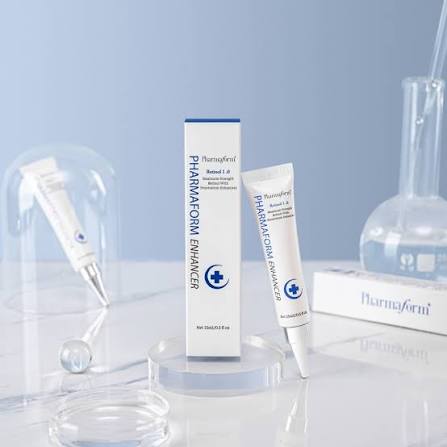
Pharmaform Retinol 1.0 Enhancer (1% Pure Retinol)
Pharmaform describes this product as a 1% pure retinol formula intended to support smoother-looking texture, more even-looking tone, and the appearance of fine lines. A 1% retinol product is a higher-strength cosmetic option and may be too irritating for a first-time retinoid user.
Suitable for: Adults who already tolerate retinoids, after a pharmacist or dermatologist has reviewed skin sensitivity, current products, and treatment goals.
Important: Do not treat the word “1.0” as a guarantee of better results. Avoid use on sunburned, broken, very inflamed, or eczema-affected skin, and do not combine it with other retinoids unless a clinician advises you to do so.
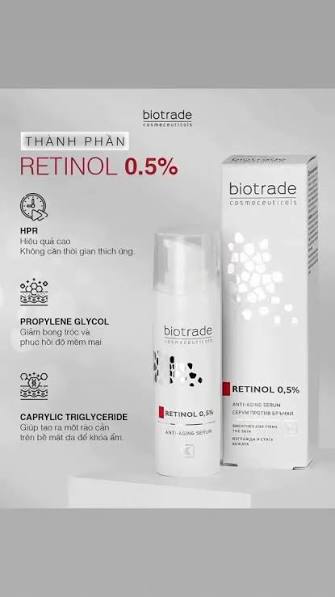
Biotrade Anti-Age Serum Retinol 0.2% (0.2% HPR)
The brand’s product information identifies hydroxypinacolone retinoate, or HPR, as the active retinoid in this 0.2% serum. The manufacturer positions it for the initial introduction of a retinoid into a skincare routine, but individual tolerance still varies.
Suitable for: Adults seeking a lower-labelled-strength retinoid option, especially when a pharmacist considers a gentler starting point more appropriate.
Important: HPR and classic retinol are different retinoid forms, so 0.2% HPR cannot be compared with 1% pure retinol by percentage alone. The whole formula, skin barrier, and existing routine matter.
Availability note: Product stock can change by branch and date. Contact ABC Pharmacy before traveling to confirm current availability. These cosmetic retinoids are not equivalent replacements for prescribed tretinoin.
What Travelers and Expats Should Do First
- Bring documentation: Keep a photo of the prescription, original tube, active ingredient, strength, and prescribing instructions.
- Ask for ingredient verification: Brand names vary by country, so compare the generic active ingredient rather than packaging alone.
- Do not mix retinoids: Avoid combining tretinoin, retinol, retinal, adapalene, or HPR products unless a clinician directs it.
- Review other actives: Exfoliating acids, benzoyl peroxide, abrasive scrubs, and strong alcohol-based products can increase irritation.
- Protect from sun and heat: Use broad-spectrum sun protection and store products away from direct sunlight and excessive heat.
- Stop for severe irritation: Painful burning, swelling, blistering, or raw skin is a reason to stop and seek advice.
Medicine Safety in Vietnam
Travelers should use licensed pharmacies, inspect packaging, check the expiry date, and verify the active ingredient and strength. Avoid buying prescription-strength skincare from informal sellers or relying on social media claims that a product is safe because it is easy to obtain.
ABC Pharmacy can help review labels and non-prescription options, but it does not replace a dermatologist or the clinician who prescribed tretinoin. Availability, delivery, and local requirements may differ by city.
When to Seek Medical Care
- Severe swelling, blistering, raw skin, or intense burning after a topical retinoid.
- Hives, facial swelling, wheezing, or difficulty breathing.
- Eye exposure followed by persistent pain, redness, or visual changes.
- Deep or painful acne, rapid scarring, or widespread inflammation.
- Symptoms that worsen or remain significant after stopping the product.
- Pregnancy, planning pregnancy, or concern about retinoid exposure.
Urgent allergic or eye symptoms need prompt medical care. Persistent acne, scarring, or severe retinoid irritation should be assessed by a doctor rather than managed by repeatedly changing products.
Why Choose ABC Pharmacy
- Traveler-friendly communication: English-speaking support helps visitors explain products prescribed or purchased overseas.
- Active-ingredient checks: Pharmacists can compare retinol, HPR, tretinoin, and other retinoids to reduce duplication and confusion.
- Responsible medicine use: Cosmetic products are not promoted as guaranteed replacements for prescription treatment.
- Local pharmacy access: ABC Pharmacy supports travelers and expats in several Vietnamese cities, including Da Nang and Hoi An.
- Practical follow-up: Messaging support and delivery may be available depending on location, stock, time, and local regulations.
- Clean, organized stores: A clear pharmacy environment makes it easier to compare packaging and ask questions.
Can I replace tretinoin with Pharmaform Retinol 1.0?
Not automatically. Pharmaform is a 1% pure retinol cosmetic, not dose-equivalent to tretinoin. Ask the prescriber or a dermatologist before changing treatment.
Is Biotrade Retinol 0.2% the gentler option?
The manufacturer positions its 0.2% HPR serum as an introductory option, but skin sensitivity and the rest of the routine determine actual tolerance.
Can I use retinol during pregnancy?
Topical retinoids should be avoided during pregnancy and when planning pregnancy. Discuss safer alternatives with a licensed healthcare professional.
How can I check a retinoid product in Vietnam?
Use a licensed pharmacy, verify the active ingredient and strength, inspect the seal and expiry date, and ask a pharmacist to review your other medicines and skincare.
Need Pharmacist Help in Vietnam?
ABC Pharmacy supports travelers and expats in Vietnam with pharmacist guidance, medicine safety checks, and suitable non-prescription support when appropriate.
Medical disclaimer: This article is for educational purposes only and does not replace diagnosis or treatment by a doctor. Always consult a doctor or pharmacist before using antibiotics, corticosteroids, prescription medicines, or if symptoms are severe, persistent, or worsening.


