ABC Pharmacy Health Guide
Last updated: July 2026
A traveler in Hoi An developed new pain around the shoulder blade after carrying a heavy load. The discomfort had been present for one day, with a previous shoulder-to-arm ligament injury but no known medicine allergies or chronic medical conditions.
This real-world scenario has been anonymized and converted into general educational guidance. It is not a diagnosis or a medication plan for other readers.
Medically Reviewed by the ABC Pharmacy Pharmacist Team
Quick Answer
New shoulder-blade pain after lifting luggage may be related to temporary muscle, tendon, or joint overload. However, a tendon or ligament injury, nerve problem, or pain referred from another part of the body cannot be excluded without an assessment.
Start with relative rest, avoid heavy lifting, use a wrapped cold pack during the early stage, and keep the shoulder moving gently within a comfortable range. Seek assessment sooner if movement is limited, the pain spreads, or there is swelling, redness, weakness, numbness, fever, or chest discomfort. :contentReference[oaicite:0]{index=0}
Medical Safety Alert
Do not copy the medicine schedule from an individual consultation. Celecoxib, eperisone, esomeprazole, supplements, and topical products have different purposes and safety considerations. Suitability and dosing depend on the cause of the pain, other medicines, blood pressure, kidney and liver health, stomach-ulcer history, cardiovascular risk, and examination findings.
Celecoxib is an NSAID with important cardiovascular and gastrointestinal warnings. Adding it to ibuprofen, naproxen, diclofenac, aspirin used for pain, or another anti-inflammatory medicine can increase risk. A stomach-acid medicine does not remove these risks. :contentReference[oaicite:1]{index=1}
Questions a Pharmacist Should Ask First
A careful consultation should clarify more than where the pain is located. For a traveler with new shoulder pain after lifting, useful questions include:
- Does the pain spread? Note whether it travels into the arm, neck, chest, back, or jaw.
- Is there swelling, redness, warmth, or bruising? These findings may change the urgency of referral.
- Has any medicine already been used? Check painkillers, anti-inflammatory medicines, cold remedies, supplements, and topical products to prevent duplication.
- Has this happened before? Recurrent pain or a previous ligament injury may justify an earlier physical assessment.
- Is there weakness or altered sensation? Ask about numbness, persistent tingling, reduced grip strength, or difficulty lifting the arm.
- Are there medicine risk factors? Review stomach ulcers, black stools, kidney or liver problems, high blood pressure, heart disease, asthma triggered by painkillers, and blood-thinning medicines.
Why Shoulder-Blade Pain Can Start After Heavy Lifting
Carrying luggage, lifting with one arm, or holding a heavy bag away from the body can overload muscles and tendons around the shoulder blade, upper back, neck, and shoulder joint. Heat and humidity in Hoi An may also contribute to fatigue, especially when travelers are walking long distances or carrying backpacks.
Pain after lifting is not automatically a simple muscle strain. Previous shoulder instability, tendon injury, ligament damage, nerve irritation, and non-musculoskeletal causes may produce similar symptoms.
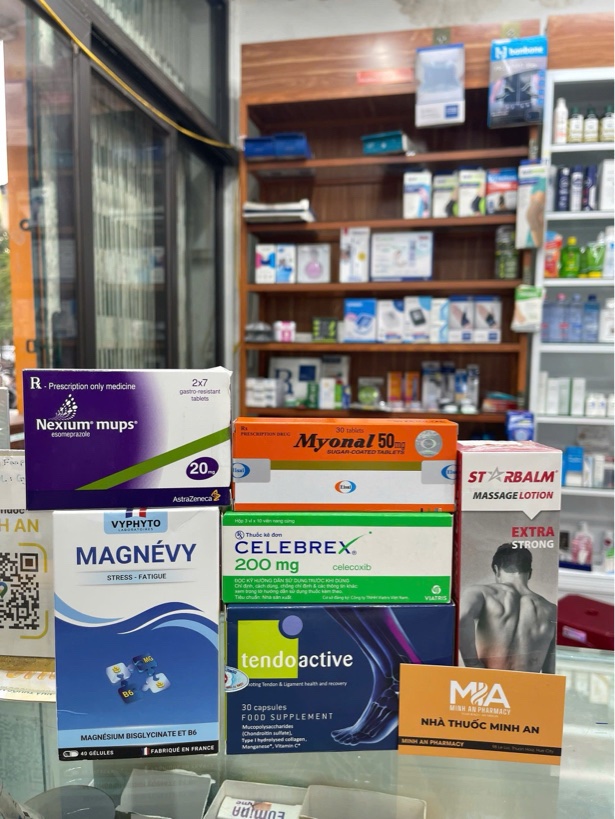 Products photographed during a real-world pharmacy consultation. The image is educational and does not represent a universal shoulder-pain treatment bundle.
Safe First Steps for New Shoulder Pain
- Use relative rest: Temporarily stop heavy lifting, overhead work, forceful pulling, and movements that clearly worsen the pain. Do not keep the shoulder completely immobile.
- Try a wrapped cold pack: During the early stage, a cold pack wrapped in cloth may be applied for up to about 20 minutes at a time. Do not place ice directly on the skin.
- Consider gentle warmth later: After approximately 48 hours, warmth may feel soothing if there is no significant swelling, redness, or heat around the joint.
- Support the shoulder: Sit upright rather than slouching, and use a pillow to support the affected arm when resting or sleeping.
- Keep movements gentle: Small, comfortable shoulder and arm movements may reduce stiffness. Stop if an exercise causes sharp pain, increasing weakness, or spreading symptoms.
- Avoid forceful massage: Do not deeply massage an area that is swollen, bruised, hot, red, or suspected to have a significant tear.
Antibiotics are not normally used for pain caused by lifting or overuse. They should only be considered when a clinician identifies a bacterial infection.
NHS guidance advises avoiding strenuous self-designed exercises and activities that make shoulder pain worse, while also avoiding complete immobilization. :contentReference[oaicite:2]{index=2}
Products a Pharmacist May Review
The products below were discussed in the original consultation. They are presented for medicine-safety education only. No dosing schedule is provided because treatment must be individualized.
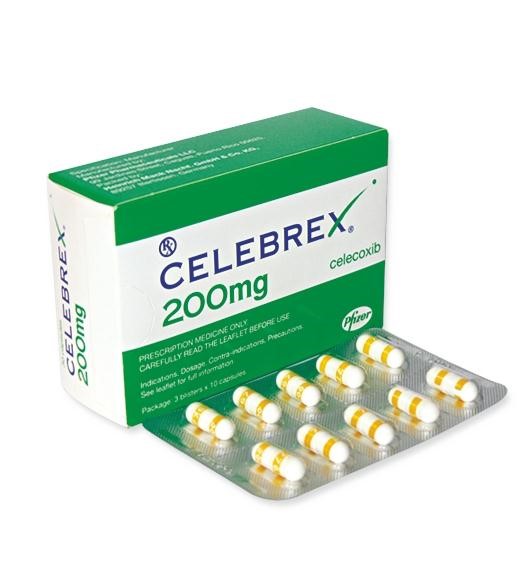
Anti-inflammatory medicine
Celebrex® 200 mg (Celecoxib)
Celecoxib is a nonsteroidal anti-inflammatory drug that may be used for selected pain conditions after professional assessment.
Suitable for: People whose symptoms and medical history have been reviewed by a doctor or pharmacist.
Important: Celecoxib carries warnings for heart attack, stroke, stomach ulceration, and gastrointestinal bleeding. Do not add another NSAID or change prescribed aspirin without professional advice. :contentReference[oaicite:3]{index=3}
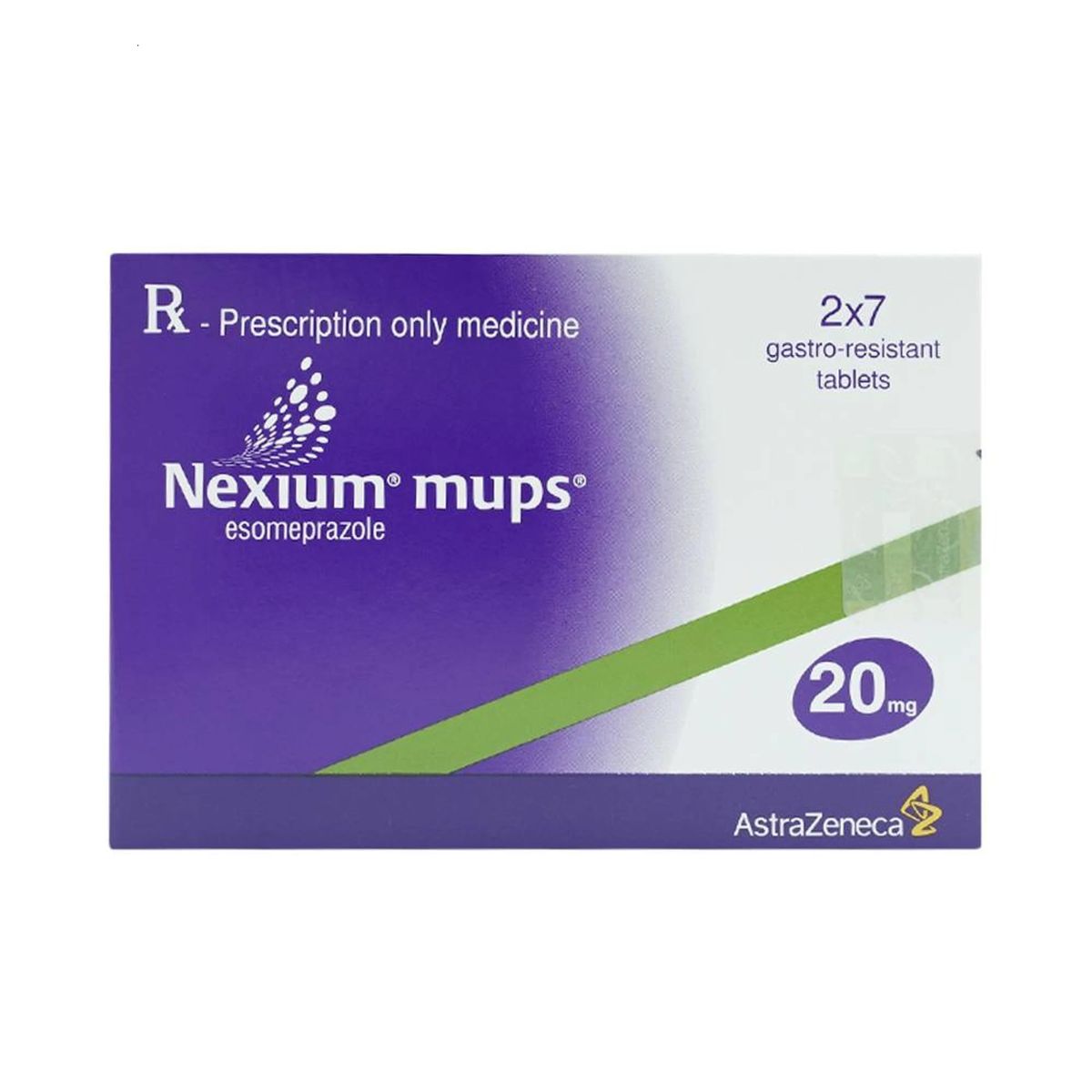
Stomach-acid medicine
Nexium MUPS® 20 mg (Esomeprazole)
Esomeprazole reduces stomach acid and is commonly used for acid reflux, indigestion, or selected ulcer-related conditions. It is not a shoulder-pain medicine.
Suitable for: People with an appropriate stomach-related indication or a clinician-directed gastroprotection plan.
Important: Esomeprazole does not make celecoxib risk-free and can interact with other medicines. Its need and duration should be reviewed rather than assumed. :contentReference[oaicite:4]{index=4}
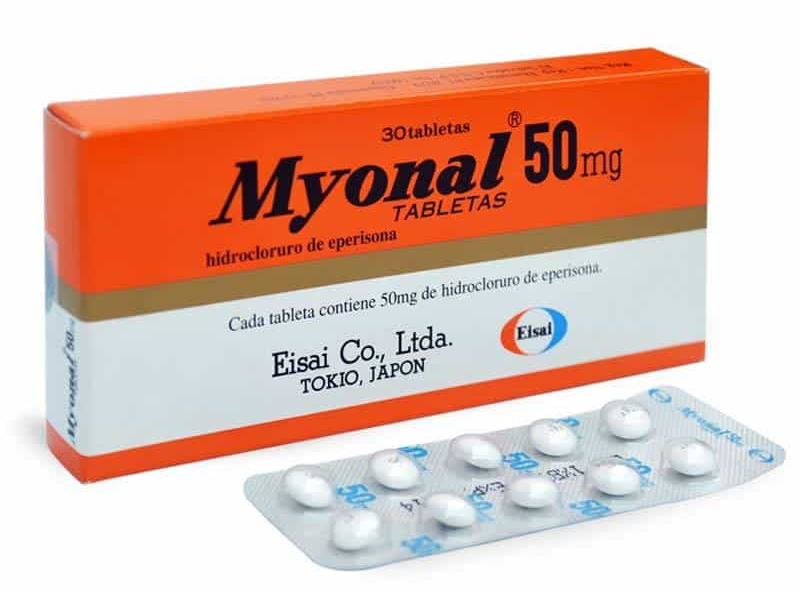
Muscle relaxant
Myonal® 50 mg (Eperisone Hydrochloride)
Eperisone is a muscle relaxant used in selected cases involving muscle stiffness or spasm. It should be taken only according to an individualized prescription or professional instruction.
Suitable for: People assessed as having symptoms for which a muscle relaxant is appropriate.
Important: Eperisone may cause drowsiness, nausea, or vomiting. Avoid alcohol, driving, and concentration-dependent activities if drowsiness occurs. :contentReference[oaicite:5]{index=5}
Dietary supplement
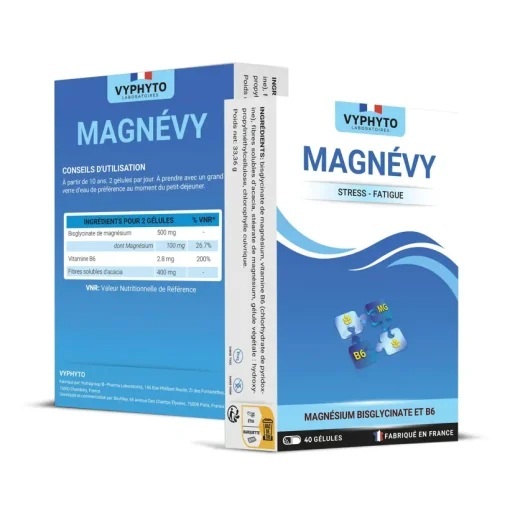
Magnévy (Magnesium Bisglycinate and Vitamin B6)
Magnesium contributes to normal muscle and nerve function, while vitamin B6 is involved in many metabolic processes. A supplement may be considered when intake is inadequate, but it is not an established immediate treatment for an acute shoulder injury.
Suitable for: People whose diet, total supplement intake, medicines, and kidney health have been checked.
Important: Magnesium may interact with certain medicines, and excessive or duplicated vitamin B6 intake should be avoided. :contentReference[oaicite:6]{index=6}
Dietary supplement
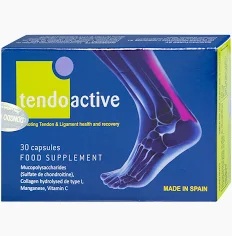
Tendoactive®
Tendoactive contains collagen type I, chondroitin sulfate, vitamin C, and manganese. It is marketed as nutritional support for connective tissues such as tendons and ligaments.
Suitable for: Adults considering longer-term nutritional support after a pharmacist or doctor reviews the injury, diet, allergies, and treatment goals.
Important: It is not an immediate pain reliever and should not replace rehabilitation or an examination for recurring pain, weakness, or suspected ligament injury. Benefits and duration should not be guaranteed. :contentReference[oaicite:7]{index=7}
Topical massage product
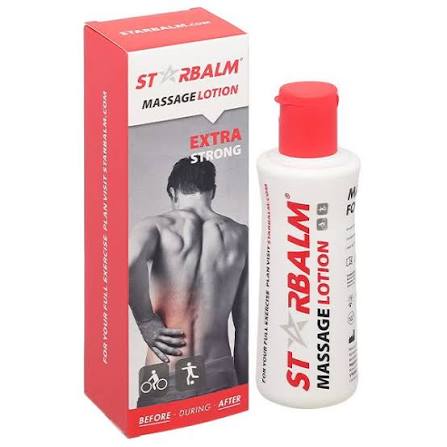
Starbalm® Massage Lotion Extra Strong
A topical massage lotion may provide temporary local warming or soothing comfort after activity. It does not treat a torn tendon, ligament injury, fracture, or nerve problem.
Suitable for: Intact skin without significant swelling, redness, heat, rash, or open wounds.
Important: Follow the product label, test a small area first, wash hands after application, and avoid the eyes, broken skin, tight bandages, and heating pads. Stop if marked irritation develops. :contentReference[oaicite:8]{index=8}
When to Seek Medical Care Urgently
Arrange urgent assessment if any of the following occurs:
- Sudden severe pain or an inability to move or lift the arm.
- A changed shoulder shape, marked swelling, or significant bruising after an injury.
- Persistent pins and needles, numbness, weakness, or loss of feeling.
- An arm that becomes unusually hot, cold, pale, or blue.
- Redness, warmth, swelling, fever, or feeling generally unwell.
- Chest pain, shortness of breath, sweating, dizziness, palpitations, or pain spreading to the jaw, back, or arm.
- A new rash, facial swelling, breathing difficulty, vomiting blood, black stools, or another serious reaction after taking medicine.
A previous shoulder or ligament injury, recurrent episodes, or new weakness should lower the threshold for an in-person examination. Shoulder pain that is worsening or not improving after approximately two weeks should also be assessed. :contentReference[oaicite:9]{index=9}
For a medical emergency in Vietnam, call 115 or go to the nearest hospital emergency department. A pharmacy cannot replace emergency evaluation.
Why Choose ABC Pharmacy in Hoi An
- Follow-up after purchase: Pharmacists may check in through WhatsApp to ask whether symptoms are improving and whether any medicine-related problems have appeared.
- English-speaking assistance: Travelers, tourists, and expats can explain symptoms and receive clearer instructions without relying solely on translated medicine packaging.
- Medicine safety checks: The pharmacist can review active ingredients, previous doses, allergies, duplicate anti-inflammatory medicines, supplements, and interaction risks.
- Ethical, need-based guidance: Products are considered according to the traveler’s actual symptoms rather than automatically recommending a large medicine combination.
- Local Hoi An access: Visitors can be matched with an appropriate ABC Pharmacy location, including the ABC Pharmacy branch at 197 Ly Thuong Kiet near Hoi An Ancient Town.
- Delivery support when available: Pharmacy assistance may be delivered to hotels or private accommodation depending on location, time, product suitability, and local requirements.
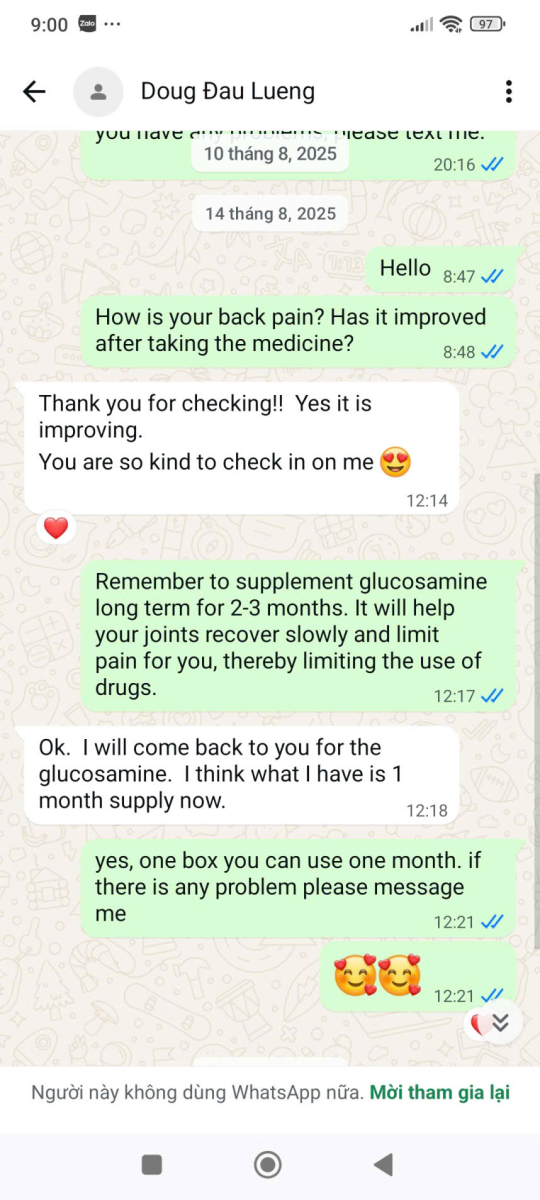 An anonymized example of ABC Pharmacy follow-up care after a traveler received medicine-use guidance.
FAQ
Should I completely rest a painful shoulder?
Use relative rest by avoiding heavy lifting and movements that clearly worsen the pain. Gentle movement within a comfortable range can help prevent stiffness, but stop if pain becomes sharp or weakness develops.
Can I copy a Celebrex 200 mg schedule from another person?
No. Celecoxib suitability and dosing depend on the cause of pain, cardiovascular and gastrointestinal risk, kidney function, blood pressure, and other medicines. A pharmacist or doctor should review these factors first.
Do I always need Nexium when taking an anti-inflammatory medicine?
No. Esomeprazole is not automatically required for every person using an anti-inflammatory medicine. A clinician should decide whether gastroprotection is appropriate, and it does not eliminate cardiovascular or gastrointestinal risk.
Are Magnévy or Tendoactive necessary for acute shoulder pain?
These are dietary supplements rather than immediate pain treatments. Their usefulness depends on nutritional needs, the type of injury, other medicines, kidney health, allergies, and realistic treatment goals.
Can ABC Pharmacy deliver shoulder-pain products in Hoi An?
Delivery support may be available to hotels and private residences in Hoi An. Product suitability, stock, location, timing, and prescription requirements must be confirmed before delivery.
Need Pharmacist Help in Vietnam?
ABC Pharmacy supports travelers and expats in Vietnam with pharmacist guidance, medicine safety checks, and suitable non-prescription support when appropriate.
Medical disclaimer: This article is for educational purposes only and does not replace diagnosis or treatment by a doctor. Always consult a doctor or pharmacist before using antibiotics, corticosteroids, prescription medicines, or if symptoms are severe, persistent, or worsening.


