ABC Pharmacy Health Guide
Last updated: July 2026
An insulin pen is a portable injection device used to deliver a prescribed type of insulin. For tourists, international travelers, and expats in Vietnam, understanding the name, active ingredient, concentration, storage requirements, and role of each pen is essential because different insulin products are not automatically interchangeable.
Medically Reviewed by the ABC Pharmacy Pharmacist Team
Quick Answer
An insulin pen contains insulin in a disposable pre-filled device or a reusable device with a replaceable cartridge. Insulin pens may contain rapid-acting, short-acting, intermediate-acting, long-acting, or mixed insulin, and each product must be used according to an individualized treatment plan. Travelers in Vietnam should confirm the exact insulin name, concentration, pen format, storage conditions, and prescription requirements before obtaining a replacement. 1 2
Medical Safety Alert
Insulin is a prescription medicine with a significant risk of low blood sugar if the wrong product, concentration, dose, or schedule is used. Do not start, stop, substitute, share, or change an insulin pen without review by the clinician managing your diabetes. A pharmacist can help verify packaging and product details but cannot replace an individualized diabetes treatment plan. 2
What Is an Insulin Pen?
An insulin pen is an injection device shaped like a large writing pen. It contains an insulin reservoir, a dose selector, a delivery button, and a connection point for a compatible disposable needle. Some pens are discarded when empty, while reusable models accept replacement cartridges. 2
An insulin injection pen may be easier to carry and identify than separate insulin vials and syringes. However, convenience does not make different pens equivalent. The brand name, generic insulin name, concentration, pen model, and prescribed role all need to match the user’s treatment plan.
The safest way to identify an insulin pen is to check five details: the brand, active ingredient, concentration, device name, and expiry date. Color alone is not a reliable way to identify insulin.
Types of Insulin Pens and Their Different Roles
Insulin is commonly classified by how quickly it starts working and how long its glucose-lowering effect lasts. A doctor may prescribe one type or a combination based on the person’s diabetes, meals, activity, glucose monitoring, health conditions, and other individual factors. 1
| Insulin category |
General role |
Important safety point |
| Rapid-acting insulin |
Often forms part of a prescribed plan for glucose control around meals. |
Meal timing, activity, illness, and schedule changes can affect the risk of low or high blood sugar. |
| Short-acting insulin |
May be used in relation to meals under a clinician-directed schedule. |
It is not automatically interchangeable with rapid-acting insulin. |
| Intermediate-acting insulin |
Provides insulin coverage for a longer period than rapid-acting products. |
Its activity profile differs from long-acting and mixed insulin. |
| Long-acting insulin |
Provides background or basal insulin coverage as part of a prescribed plan. |
It should not be used as a substitute for rapid-acting mealtime insulin. |
| Premixed insulin |
Contains more than one insulin component in a fixed proportion. |
It requires a product-specific schedule and should not be separated or independently adjusted. |
See the related guide to types of insulin pens for a broader explanation of basal, mealtime, premixed, disposable, and reusable pen formats.
Examples of Long-Acting and Rapid-Acting Insulin Pens
Toujeo SoloStar U-300 and NovoRapid FlexPen U-100 illustrate why the product name and concentration matter. They contain different insulin ingredients and perform different roles within a diabetes treatment plan.
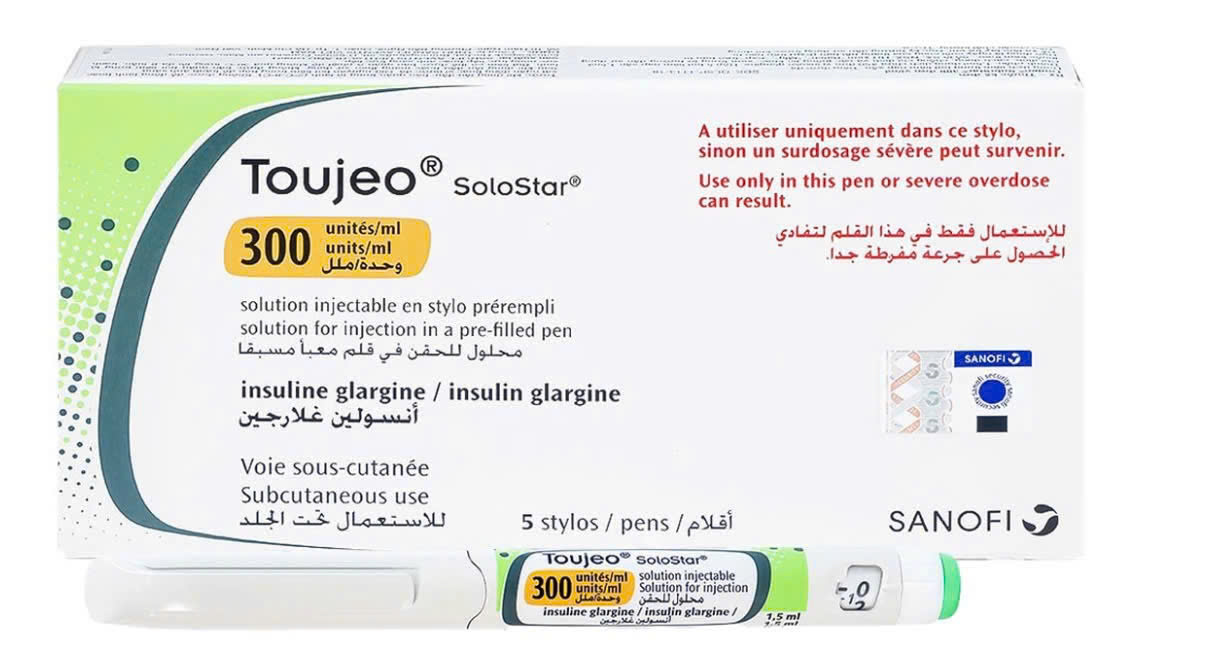
Toujeo SoloStar U-300® (Insulin Glargine)
Toujeo SoloStar is a pre-filled, long-acting insulin pen containing insulin glargine at a concentration of 300 units/mL. It is used as basal insulin within an individualized treatment plan. 5
Suitable for: People who have been prescribed this exact insulin product and concentration by an appropriate healthcare professional.
Important: Toujeo U-300 must not be treated as directly interchangeable with insulin glargine U-100. Do not transfer insulin from the SoloStar pen into a syringe, and do not attempt to calculate a conversion without clinical supervision. 5
Image filename: insulin-pen-toujeo-solostar-u300-insulin-glargine.jpg
Image alt: Toujeo SoloStar U-300 insulin glargine long-acting insulin pen and packaging
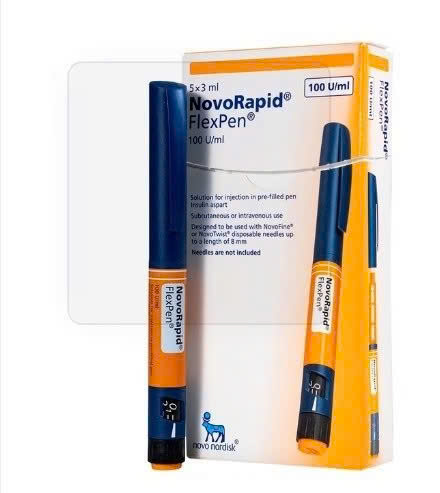
NovoRapid FlexPen U-100® (Insulin Aspart)
NovoRapid FlexPen is a pre-filled, rapid-acting insulin pen containing insulin aspart at a concentration of 100 units/mL. It is generally used for mealtime insulin coverage according to a clinician-directed plan. 6
Suitable for: People who have been prescribed insulin aspart in this specific strength and pen format.
Important: NovoRapid is not a substitute for long-acting basal insulin. Its timing and use must remain aligned with the user’s prescribed meals, glucose monitoring, and diabetes plan. 6
Image filename: insulin-pen-novorapid-flexpen-u100-insulin-aspart.jpg
Image alt: NovoRapid FlexPen U-100 insulin aspart rapid-acting insulin pen and packaging
Toujeo SoloStar U-300 contains long-acting insulin glargine, while NovoRapid FlexPen U-100 contains rapid-acting insulin aspart. The two pens serve different purposes and should not be substituted for each other.
Product packaging, local registration details, and available pen presentations may vary by country. ABC Pharmacy can help request a pharmacist check of the active ingredient, strength, prescription, stock, and cold-chain requirements, but availability is not guaranteed.
How to Reduce Insulin Pen Identification Errors
Travelers may carry more than one insulin pen, especially when a long-acting insulin is used alongside a rapid-acting product. Similar device shapes can increase the risk of selecting the wrong pen when tired, rushing, or managing a disrupted travel schedule.
- Read the label before every use: Check the brand, generic insulin name, concentration, and pen model rather than relying only on color.
- Keep different pens clearly separated: Store basal and mealtime pens in designated sections of your travel kit.
- Never share a pen: An insulin pen is intended for one person only, even when the needle is changed. 2
- Use a new compatible needle: Follow the device instructions and healthcare professional’s training for needle attachment, use, and disposal. 2
- Do not improvise a substitute: Contact a doctor or pharmacist when the prescribed brand, concentration, or pen format is unavailable.
- Keep written medicine details: Save a photo of the box and prescription, including the generic name and concentration, in case the original packaging is lost.
For a closer comparison, read long-acting versus rapid-acting insulin.
Safe First Steps for Travelers Using an Insulin Pen
Before traveling to or within Vietnam, discuss time-zone changes, meal disruption, activity, illness, and refill planning with the clinician managing your diabetes. Do not independently shift doses or injection times because travel schedules vary and different insulin products behave differently. 3
- Carry sufficient supplies: Keep insulin, needles, glucose-monitoring supplies, prescriptions, and essential diabetes documents together in accessible hand luggage.
- Keep insulin out of checked baggage: Checked luggage can become too hot or too cold. Keep insulin accessible in your carry-on while flying. 3
- Avoid extreme temperatures: Do not leave insulin in a parked vehicle, direct sunlight, or directly against ice or a frozen gel pack. 3 4
- Follow the exact product leaflet: Unopened and in-use storage limits differ between brands and pen types.
- Monitor according to your care plan: Heat, dehydration, unfamiliar food, increased walking, and schedule changes may affect blood glucose. 3
- Keep your emergency plan available: Carry the low-blood-sugar supplies and emergency medicine recommended by your diabetes care team.
When traveling in Vietnam, protect insulin pens from direct sunlight, hot vehicles, freezing, and direct contact with ice. Keep insulin in carry-on luggage and follow the storage instructions for the exact product.
More detailed guidance is available in how to store insulin pens while traveling in Vietnam.
Finding Insulin Pen Support in Vietnam
International visitors may encounter different brand names, packaging languages, concentrations, and device formats in Vietnam. Before requesting a replacement, provide the pharmacist with as much verified information as possible.
Useful information includes:
- The exact brand and generic insulin name.
- The concentration, such as U-100 or U-300.
- The device format, such as a pre-filled pen or cartridge.
- A photo of the current box, label, and pen.
- Your prescription or written treatment information.
- Your current city, hotel, and required travel date.
- Any known allergies and other medicines being used.
An English-speaking pharmacy can help clarify product details and arrange a pharmacist-assisted stock or delivery check. Prescription review, clinical suitability, local requirements, product availability, and cold-chain handling must still be considered before supply.
Read where to buy insulin in Vietnam for a step-by-step pharmacy access guide for tourists and expats.
When to Seek Medical Care Urgently
Insulin-related emergencies can become serious quickly. Seek urgent medical help rather than waiting for pharmacy delivery if any of the following occurs:
- Loss of consciousness, a seizure, severe confusion, or inability to swallow.
- Low-blood-sugar symptoms that do not improve according to the person’s established emergency plan.
- Repeated vomiting, severe abdominal pain, marked drowsiness, or dehydration.
- Fast, deep breathing, fruity-smelling breath, or known high ketones, which may indicate diabetic ketoacidosis.
- Very high glucose readings with worsening illness or an inability to keep fluids down.
- Difficulty breathing, swelling of the face or throat, or another possible severe allergic reaction.
- Loss, damage, freezing, or heat exposure affecting the only available insulin supply when a scheduled dose is approaching.
Severe hypoglycemia can cause confusion, seizures, or loss of consciousness, while diabetic ketoacidosis can cause vomiting, abdominal pain, deep breathing, and fruity-smelling breath. These are medical emergencies and require immediate professional care. 7 8
In a medical emergency in Vietnam, call 115 or go to the nearest emergency department.
Why Choose ABC Pharmacy
- English-speaking assistance: Traveler-friendly communication can help tourists and expats explain the exact insulin name, active ingredient, concentration, and device they are using.
- Medicine safety checks: Pharmacists can help compare labels, identify duplicate or mismatched products, and flag situations requiring a doctor’s review.
- Responsible medicine use: ABC Pharmacy does not encourage travelers to start, stop, substitute, or adjust prescription insulin without appropriate professional guidance.
- Local pharmacy access: ABC Pharmacy supports visitors seeking pharmacy assistance in Vietnam, with location-specific guidance where service information is available.
- Pharmacist-assisted availability checks: The team can review product information before confirming whether the requested insulin pen can be sourced.
- Delivery support when available: Hotel or residence delivery may be possible depending on the location, timing, prescription review, stock, and cold-chain requirements.
Frequently Asked Questions
What is an insulin pen?
An insulin pen is a device that contains insulin and delivers it through a compatible disposable needle. Pens may be pre-filled and disposable or reusable with replacement cartridges, depending on the model.
What are the main types of insulin pens?
Insulin pens may contain rapid-acting, short-acting, intermediate-acting, long-acting, or premixed insulin. The correct type depends on an individualized treatment plan prepared by a healthcare professional.
Are Toujeo SoloStar and NovoRapid FlexPen the same type of insulin?
No. Toujeo SoloStar U-300 contains long-acting insulin glargine, while NovoRapid FlexPen U-100 contains rapid-acting insulin aspart. They serve different roles and should not be substituted for each other.
Can I carry an insulin pen on a flight to Vietnam?
Insulin and diabetes supplies should normally remain accessible in carry-on luggage rather than checked baggage. Keep the original labels and supporting medical documents, and confirm current security requirements with the airline and relevant airport authorities before travel.
How should I protect an insulin pen from Vietnam’s heat?
Keep insulin away from direct sunlight, parked vehicles, hot surfaces, and direct contact with ice or frozen packs. Follow the manufacturer’s storage instructions for the exact pen because temperature limits and in-use periods differ between products.
Can an English-speaking pharmacy deliver insulin to my hotel in Vietnam?
Delivery may be available in some locations, but it depends on pharmacist review, prescription requirements, stock, timing, and cold-chain handling. Contact ABC Pharmacy to request an availability and delivery assessment rather than assuming the product can be supplied.
What should I do if my insulin pen was frozen or exposed to high heat?
Keep the affected pen separate and contact a pharmacist, clinician, or the manufacturer for product-specific advice. Do not rely on appearance alone to decide whether temperature-exposed insulin remains suitable.
Need Pharmacist Help in Vietnam?
ABC Pharmacy supports travelers and expats in Vietnam with pharmacist guidance, medicine safety checks, prescription review, and local delivery inquiries where available.
Medical disclaimer: This content is for general informational purposes only and is not medical advice. Please consult a licensed healthcare professional or pharmacist. This article is for informational purposes only and does not constitute medical advice. Always consult a licensed pharmacist or doctor before taking any medication. If you are experiencing a medical emergency, call 115 (Vietnam emergency number) immediately.


